



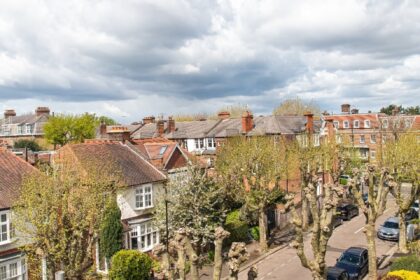
 How Tree Branches and Overhanging Vegetation Can Damage Your Roof
We all love to have a garden behind the house, or even in front of it. It’s almost a
primal need, especially in an urban area, where it can give us our own little piece of
countryside. And trees make it really special. After all, trees aren’t only lovely to look
at — we now know that they’re crucial for both our physical and mental health.
There is a downside, though. If you have trees too close to the building, they could
damage your home in various ways, with the roof especially vulnerable to tree
damage.
Direct Damage to Your Roof from Trees
The most obvious way a tree can damage your roof is from direct contact. This is
especially true if an overhanging branch breaks off, either in high winds or due to
internal decay. Impact with the roof can crack or dislodge the tiles, or tear the felt of a
flat roof.
This will create gaps in the roofing materials, allowing water to seep down into the
roofspace. Water ingress is likely to cause a range of problems, from rotting
structural timbers to creating patches of mould or mildew, whose spores may
damage the health of everyone in the house.
Even if none of the branches break off, constant brushing across the roof can wear
down the materials and scrape the protective coating off. Again, this is likely to
create holes in the roof and allow water in.
Blocking Your Gutters
The guttering system of your roof, comprising the gutters and downpipes, is
responsible for directing the rain that falls on your roof safely down to the drains.
Even in the best circumstances, these tend to get clogged up by leaves, twigs and
other debris.
The problem here is that, if the water can’t run away safely, it may pool on the roof
and work cracks open, allowing it in. It can also lead to moss and algae growing on
your roof, which retain water that can decay the roofing materials.
This tends to be worst in autumn and in high winds, so the best times to clear your
gutters are autumn and early spring. However, you’ll also need to have a look every
time you’ve had a storm or high winds.
Risks from Pests
Trees tend to be home to creatures such as squirrels, mice and insects, and that’s
great — as long as they stay in the trees. Unfortunately, overhanging branches can
provide an easy route for them to migrate to your roof.
All these animals are capable of causing considerable mayhem, especially if they get
into the roofspace. Once there, they can damage the insulation and wooden
structures — or even gnaw through wires.
What Can You Do About It?
In addition to cleaning out your guttering, regular pruning of trees close to your home
can make a big difference. Alternatively, you may want to install tree guards or trim
the trees back. However, before any major work on a tree, check to ensure that it
doesn’t fall under a Tree Preservation Order.
If your roof does sustain damage, in spite of all you’ve done, it’s vital to get it fixed
quickly, before the problem gets worse. Roofing repairs are never DIY jobs, though
— you’ll need to find an expert roofing company. Give Empire a call to find out how
we can fix damage to your roof quickly and thoroughly — whether or not it was
caused by trees.