



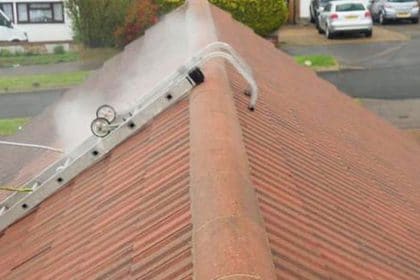
 Summer Roof & UPVC Maintenance Checklist: 7 Essential Checks Every UK Homeowner Should Complete in June
As temperatures rise and the days become longer, June presents the perfect opportunity for homeowners to assess the condition of their roofs and exterior roofline systems. While many people associate roofing problems with winter storms and heavy rainfall, summer can expose hidden issues that have developed throughout the colder months.
A proactive inspection now can help prevent costly repairs later in the year, improve your property’s energy efficiency, and extend the lifespan of your roofing system. We recommend carrying out these seven essential maintenance checks every June to keep your home protected throughout the summer and beyond.
Why June Is the Ideal Time for Roof Maintenance
June offers favourable weather conditions for roof inspections and repairs. Dry conditions make it easier to identify damage, perform maintenance safely, and address minor issues before they worsen in autumn and winter.
Regular inspections can help homeowners:
- Prevent water ingress and leaks
- Extend roof lifespan
- Protect fascias, soffits, and guttering
- Improve ventilation and energy efficiency
- Reduce the likelihood of emergency repairs
1. Check for Missing, Cracked or Slipped Roof Tiles
Roof tiles and slates are constantly exposed to harsh weather conditions throughout the year. Strong winds, frost, and heavy rainfall can loosen or damage roofing materials without homeowners noticing.
Look for:
- Missing roof tiles
- Cracked or broken slates
- Uneven roof lines
- Debris around the base of the property
Even a single damaged tile can allow water to penetrate the roof structure, leading to damp, rot, and expensive repairs if left unresolved.
2. Inspect Gutters for Blockages and Leaks
Your guttering system plays a critical role in directing rainwater away from your property. Although autumn is often associated with blocked gutters, debris can accumulate throughout the year.
Check for:
- Standing water in gutters
- Overflowing during rainfall
- Sagging sections
- Visible cracks or leaks
- Vegetation growth
Professional gutter cleaning and maintenance can prevent water damage to walls, foundations, and roofing structures.
3. Examine UPVC Fascias and Soffits
UPVC fascias and soffits protect your roofline from moisture while helping to ventilate your loft space. Although UPVC is extremely durable, it should still be inspected regularly.
Signs of deterioration include:
- Cracks or splits
- Discolouration
- Warping
- Loose sections
- Evidence of pest activity
Well-maintained fascias and soffits significantly contribute to the overall health of your roofing system and enhance your property’s kerb appeal.
4. Assess Roof Ventilation Performance
Many roofing issues originate from poor ventilation rather than external weather damage.
Inadequate airflow can lead to:
- Excessive heat build-up in loft spaces
- Condensation
- Damp insulation
- Timber decay
- Reduced energy efficiency
During warmer months, poorly ventilated lofts can reach extremely high temperatures, placing additional strain on roofing materials and increasing cooling costs.
A professional roofing inspection can identify ventilation problems before they affect the structural integrity of your roof.
5. Look for Early Signs of Water Damage
Summer is often the best time to identify evidence of previous water ingress.
Inspect your property for:
- Damp patches on ceilings
- Water stains in loft spaces
- Mould growth
- Peeling paint
- Musty odours
These signs may indicate hidden roof damage that developed during winter and spring but remains unnoticed until warmer weather reveals the symptoms.
6. Check Lead Flashing Around Chimneys and Roof Junctions
Lead flashing is designed to create a waterproof seal around vulnerable roof areas, including chimneys, skylights, and roof valleys.
Over time, flashing can:
- Crack
- Lift away from surfaces
- Corrode
- Become displaced by strong winds
Damaged flashing is one of the most common causes of roof leaks in UK homes. Early detection can prevent significant structural damage and internal repairs.
7. Schedule a Professional Roof Inspection
While visual checks are useful, many roofing issues cannot be identified safely from ground level.
A professional roofing inspection provides a comprehensive assessment of:
- Roof coverings
- Structural integrity
- Flashing condition
- Ventilation systems
- Gutters and downpipes
- Fascias and soffits
Identifying minor defects early can save homeowners thousands of pounds in future repair costs.
Frequently Asked Questions
1. How Often Should a Roof Be Inspected?
- Most roofing professionals recommend a full inspection at least once a year, with additional checks following severe weather events.
2. Do UPVC Fascias and Soffits Require Maintenance?
- UPVC products require significantly less maintenance than traditional timber alternatives. However, annual inspections and cleaning help maximise their lifespan and performance.
3. Can Hot Weather Damage a Roof?
- Yes. Prolonged exposure to UV rays and high temperatures can cause certain roofing materials to expand, crack, or deteriorate over time.
4. What Are the Most Common Summer Roofing Problems?
- Common summer roofing issues include damaged flashing, blocked gutters, poor ventilation, cracked tiles, and hidden leaks discovered after winter weather.
Protect Your Home This Summer
Your roof is one of the most important investments in your property. By carrying out these essential maintenance checks, you can protect your home from preventable damage and ensure your roofing system remains in excellent condition throughout the year.
If you have concerns about your roof, guttering, fascias, or soffits, we can provide a professional inspection and expert advice tailored to your property’s needs.
Contact Empire UPVC & Roofing today to arrange a comprehensive roof health check and ensure your home is ready for the summer months ahead.