



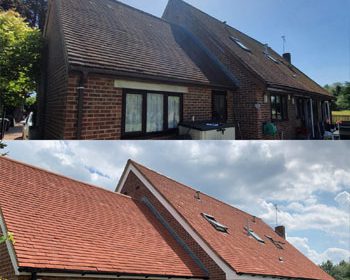
 Why Summer Is the Best Time to Sort Your Roof
If your roof, gutters or fascias have been on your “get round to it” list, July and August are the two months actually to get round to it. Longer days, drier weather and steadier conditions mean roofing work gets done faster, finishes better, and gets finished before autumn’s rain and wind start testing every weak point your roof has.
At Empire UPVC & Roofing Specialists, we’ve been working on roofs across Hertfordshire, Essex and London since 2005, so we’ve seen what a difference the right timing makes. Here’s why summer matters, and what to do about it.
Why Weather Actually Matters for Roofing Work
Roofing isn’t just easier in good weather. Some of it genuinely needs it. Sealants, adhesives and coatings cure properly in dry, stable conditions; felt and rubber roofing lay flatter and bond better when it’s warm; and tiling or re-roofing work simply can’t safely continue in the wind and rain that autumn brings. Longer daylight hours also mean our teams can get more done in a single visit, which often means less disruption to your home overall.
None of that is available to order in November. Booking in summer is really about stacking the odds in favour of a job done right the first time.
Roof Cleaning: Small Job, Big Payoff
Moss, algae, lichen and general grime build up on every roof over time, whatever it’s made of. Left alone, it holds moisture against the tiles, and that moisture is what causes premature wear and blocked gutters further down the line.
A professional roof clean and moss removal:
- Clears moss, algae and debris before it causes damage
- Cuts the risk of blocked gutters from moss washing down
- Gives our team a close-up look at the roof, so small issues get spotted early
- Extends the working life of the roof overall
Most roofs benefit from a clean every 2 to 3 years, sooner if you’re under overhanging trees or in a shadier spot where moss thrives.
Gutters, Fascias and Soffits: Your Roof’s First Line of Defence
Guttering, fascias and soffits do a less glamorous job than the roof itself, but they’re what actually keeps water away from your walls, roofline and foundations. If they’re cracked, sagging or rotting, water finds its way in, and that’s a far more expensive problem than the roofline itself.
Signs it’s time to replace rather than repair:
- Gutters sagging, leaking at joints, or overflowing in normal rain
- Fascias with visible cracking, warping or rot
- Paint that’s flaking because water’s been sitting against the timber underneath
New UPVC fascias, soffits and guttering are low-maintenance, weather-resistant and won’t rot the way timber does, which is part of why so much of our work is exactly this.
Is Summer a Good Time for a Full Roof Replacement?
Yes, for the same reasons as above, but with more at stake. A full re-roof takes longer and is more weather-dependent than a clean or roofline swap, so getting it booked and finished before the weather turns matters even more.
Common signs you need a new roof rather than another repair:
- Leaks that keep recurring in the same or different spots
- Tiles that are cracked, slipping or missing
- Sagging in the roofline itself, rather than just the guttering
- A roof that’s simply reached the end of its expected lifespan (typically 20–50 years depending on material)
All new roofs we install come with a 20-year guarantee, and every job is fully insured.
Frequently Asked Questions
- Why should roofing work be done in summer specifically? Because the materials and methods involved genuinely perform better in dry, warm, stable weather, and because finishing before autumn means your roof is ready before the wet season puts it to the test.
- How often should a roof be cleaned? Roughly every 2–3 years for most homes, more often if you’re near trees or in a damp, shaded spot where moss builds up quickly.
- When should I replace gutters, fascias or soffits rather than repair them? If you’re seeing sagging, cracking, overflow in normal rainfall, or rot in the fascia boards themselves, replacement is usually more cost-effective than patch repairs, and it prevents water damage spreading to the roofline and walls.
- How do I know if I need a full new roof? Recurring leaks, multiple damaged or missing tiles, visible sagging, or a roof that’s simply reached the end of its expected life are the main signals. A survey will confirm whether repair or replacement makes more sense.
Our July & August Offers
For a limited time:
- 10% off all new UPVC fascias, soffits and guttering
- 10% off roof cleans
- 10% off any new roof (work must be completed within July or August)
Get in touch for a free, no-obligation quote. Call 01992 623 267 or email chris@empireupvcandroofing.co.uk and let’s get your roof sorted before the weather turns.